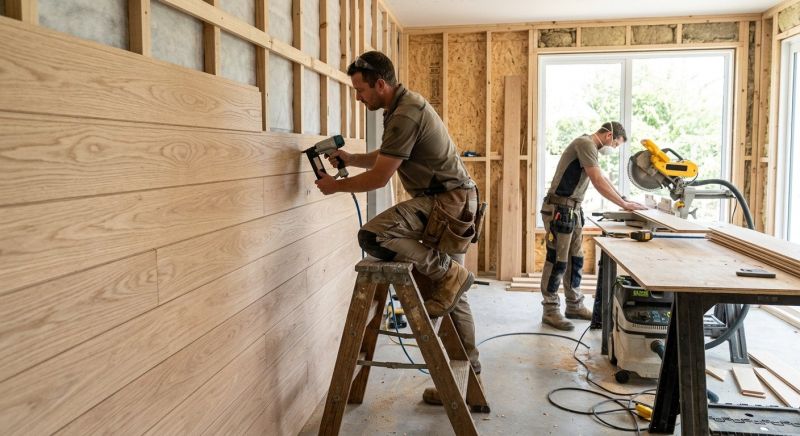
Interior Cladding Installation in Wilmington, NC
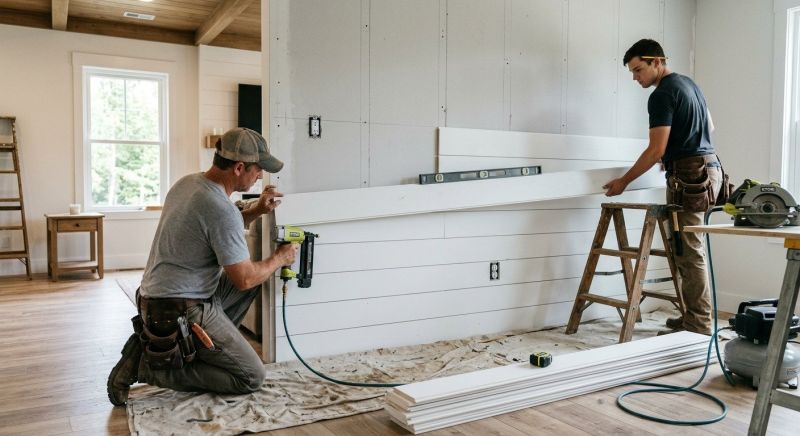
Interior cladding installation involves adding decorative or protective panels to the interior walls of a property. This service is commonly used in residential projects such as living rooms, bedrooms, kitchens, and basements, as well as in commercial spaces like offices or retail areas. Homeowners often seek interior cladding to enhance aesthetic appeal, improve insulation, or cover up existing wall imperfections. Before requesting installation, property owners should consider the type of material they prefer-such as wood, vinyl, or composite-and understand how it will complement their interior design. It’s also helpful to evaluate the scope of the project, including wall measurements, any necessary preparation work, and the desired finish.
Property owners typically want to know about the durability, maintenance requirements, and installation process of the cladding materials. They may also inquire about the impact on existing wall surfaces and whether the installation can be performed around fixtures or existing features. Understanding the differences between various materials and finishes can help in making an informed decision that aligns with the overall style and functionality of the space. Clarifying these details in advance can ensure the project meets expectations and fits within the property’s interior design plans.
Many property owners in Wilmington, NC look into Interior Cladding Installation for repairs, replacements, upgrades, and appearance-related improvements.
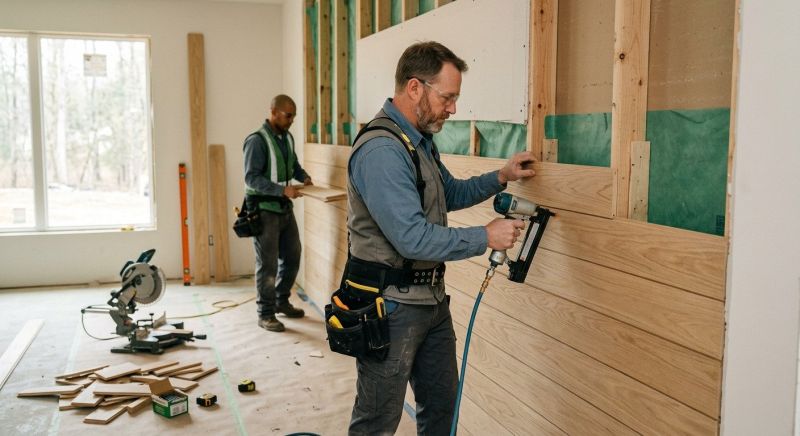
Enhancing Interior Spaces
Interior cladding can transform the look and feel of residential and commercial interiors in wilmington, nc.
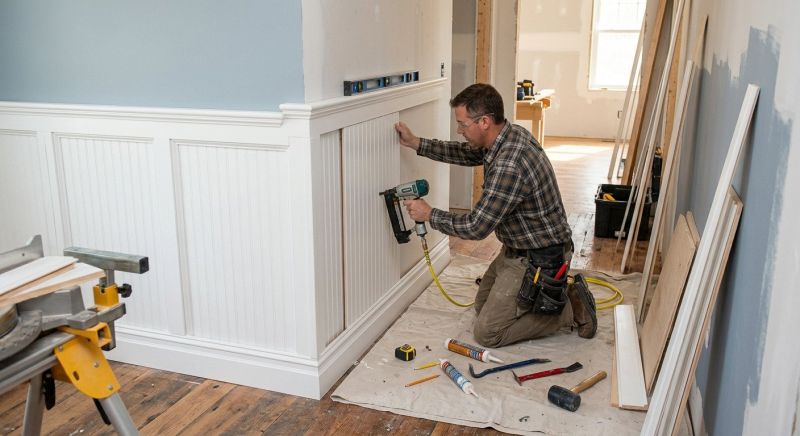
Material Options And Styles
A variety of cladding materials like wood, stone, and laminate are available to suit different design preferences.
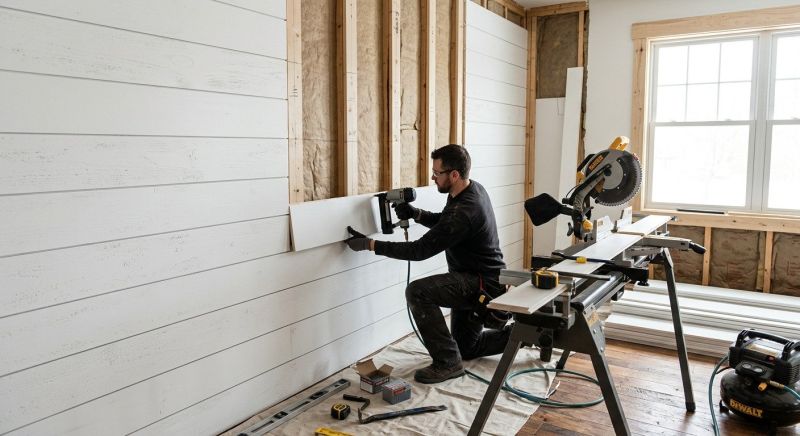
Installation Considerations
Proper installation ensures durability and a seamless finish for interior wall and ceiling enhancements.
Interior Cladding Installation in Wilmington, NC

Interior cladding installation involves adding decorative or protective panels to the interior walls of a property. This service is commonly used in residential projects such as living rooms, bedrooms, kitchens, and basements, as well as in commercial spaces like offices or retail areas. Homeowners often seek interior cladding to enhance aesthetic appeal, improve insulation, or cover up existing wall imperfections. Before requesting installation, property owners should consider the type of material they prefer-such as wood, vinyl, or composite-and understand how it will complement their interior design. It’s also helpful to evaluate the scope of the project, including wall measurements, any necessary preparation work, and the desired finish.
Property owners typically want to know about the durability, maintenance requirements, and installation process of the cladding materials. They may also inquire about the impact on existing wall surfaces and whether the installation can be performed around fixtures or existing features. Understanding the differences between various materials and finishes can help in making an informed decision that aligns with the overall style and functionality of the space. Clarifying these details in advance can ensure the project meets expectations and fits within the property’s interior design plans.
Many property owners in Wilmington, NC look into Interior Cladding Installation for repairs, replacements, upgrades, and appearance-related improvements.
Common Interior Cladding Installation Jobs
Interior wall cladding - enhances interior aesthetics and provides additional insulation.
Accent wall installation - creates focal points with decorative wall coverings.
Ceiling cladding - improves room acoustics and adds visual interest to ceilings.
Bathroom and kitchen cladding - offers moisture-resistant finishes suitable for high-humidity areas.
Feature wall panels - adds texture and style to living rooms and bedrooms.
Custom interior cladding - adapts to unique design preferences and space requirements.
Interior Cladding Installation Questions
What types of interior cladding materials are available? Common options include wood, vinyl, metal, and composite panels, each offering different aesthetic and durability benefits.
Can interior cladding be installed in existing rooms? Yes, interior cladding can be added to walls in various spaces such as living rooms, offices, and hallways to enhance appearance and protection.
Is interior cladding suitable for moisture-prone areas? Certain materials like vinyl and treated wood are appropriate for areas with higher humidity, helping prevent damage and mold growth.
What are typical projects for interior cladding installation? Projects often include feature walls, basement renovations, or updating interior surfaces for improved style and insulation.
Request Interior Cladding Installation in Wilmington, NC
Use the quote form on this page to share the basics of your project and request more information for the type of work you need.